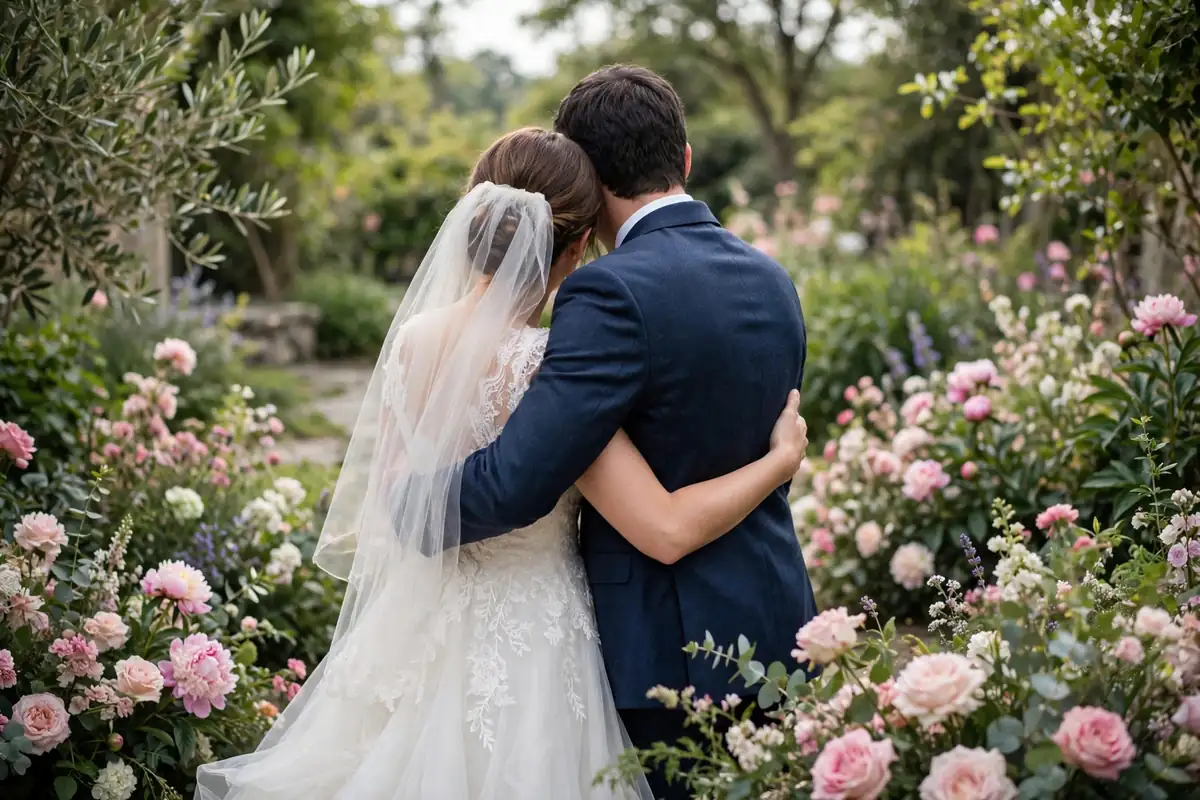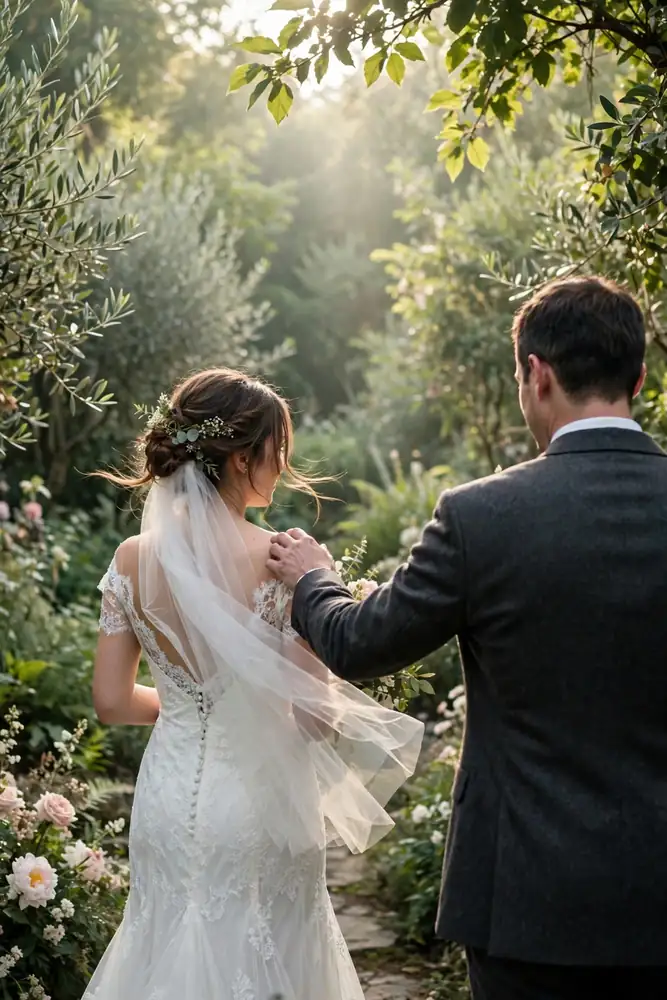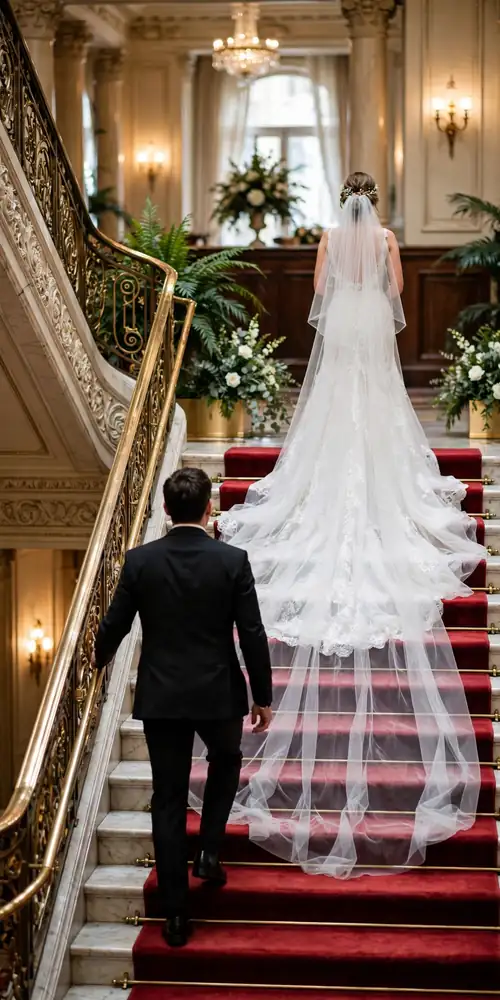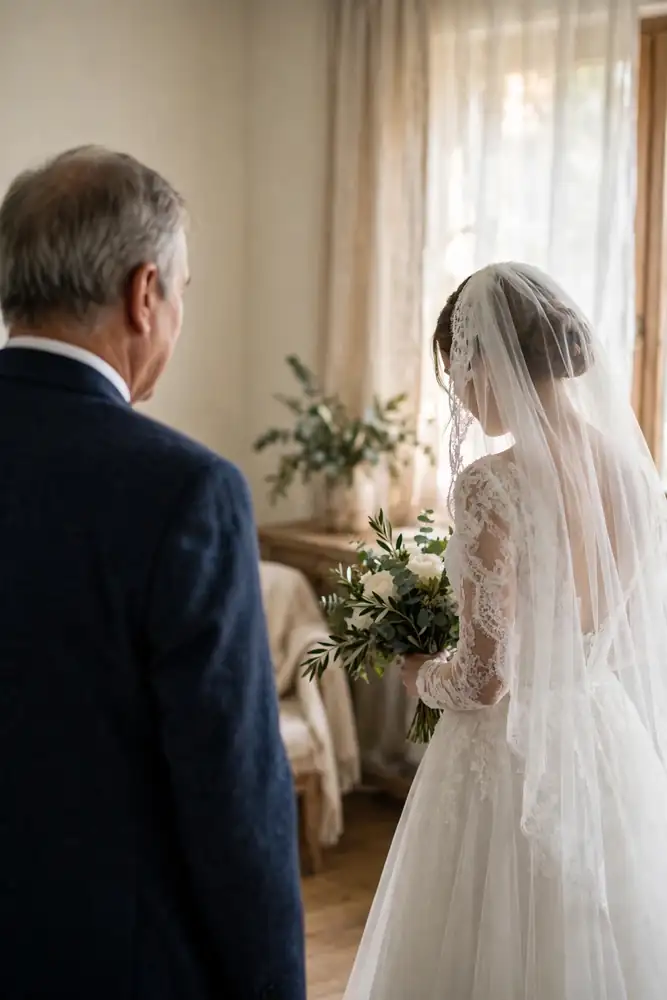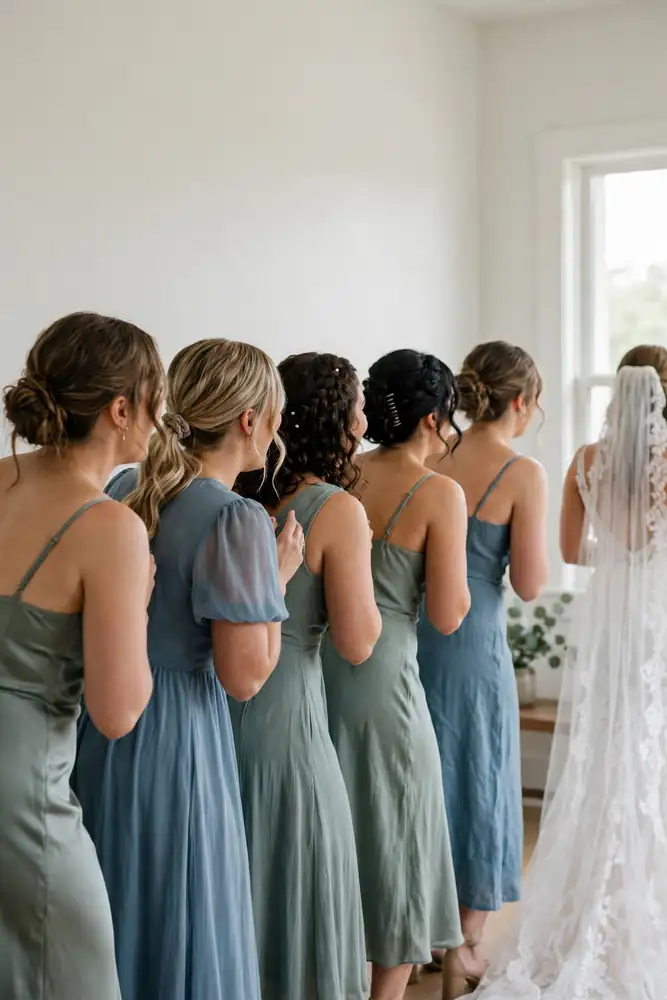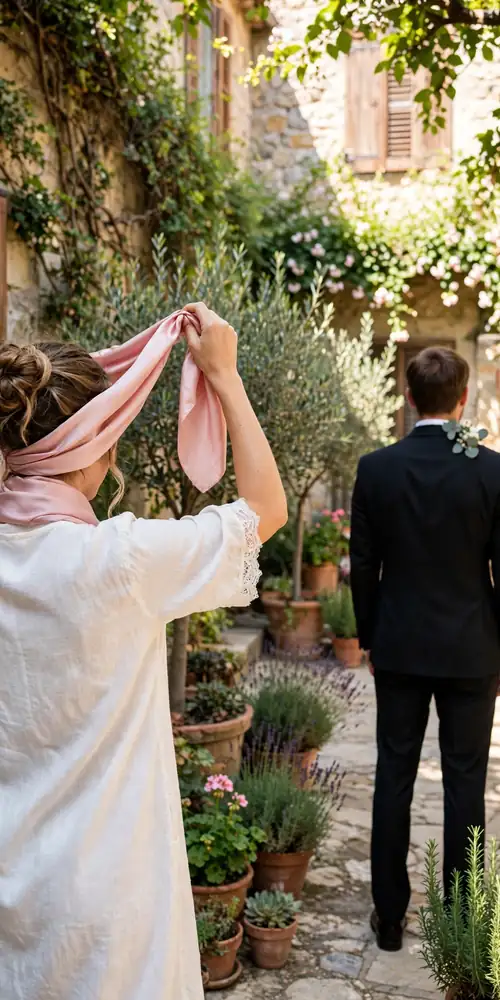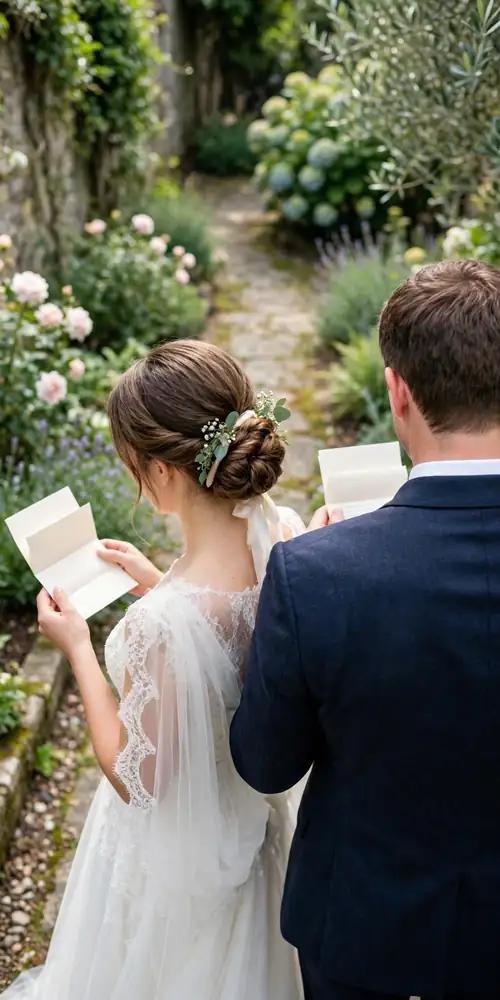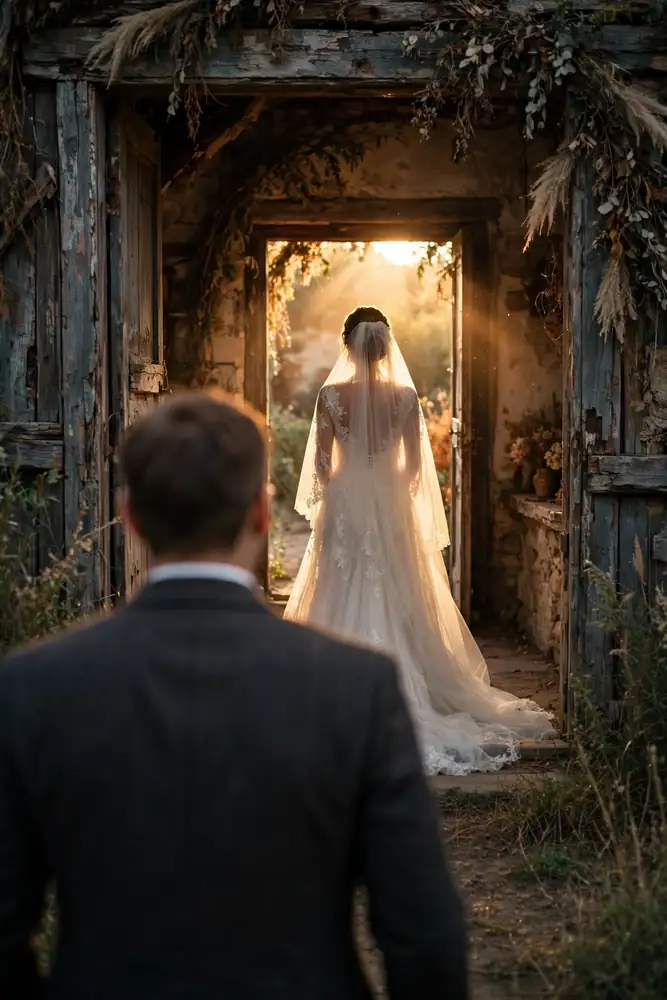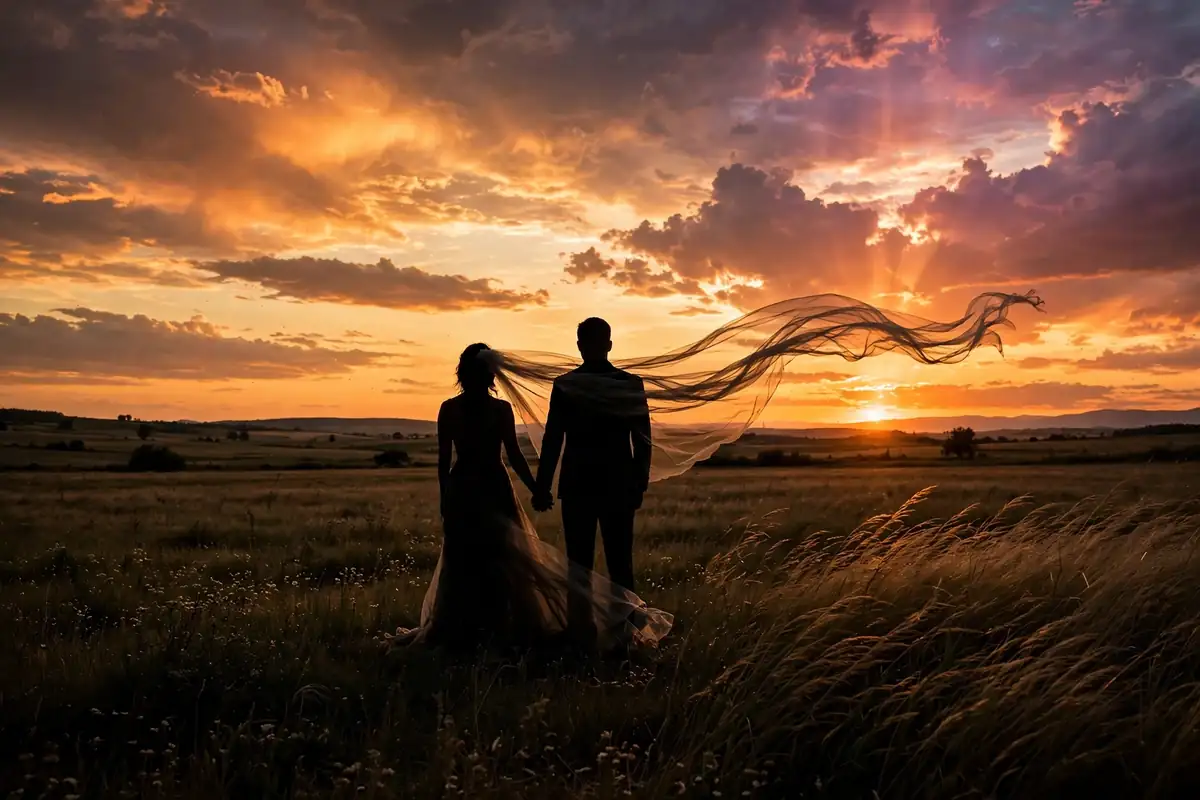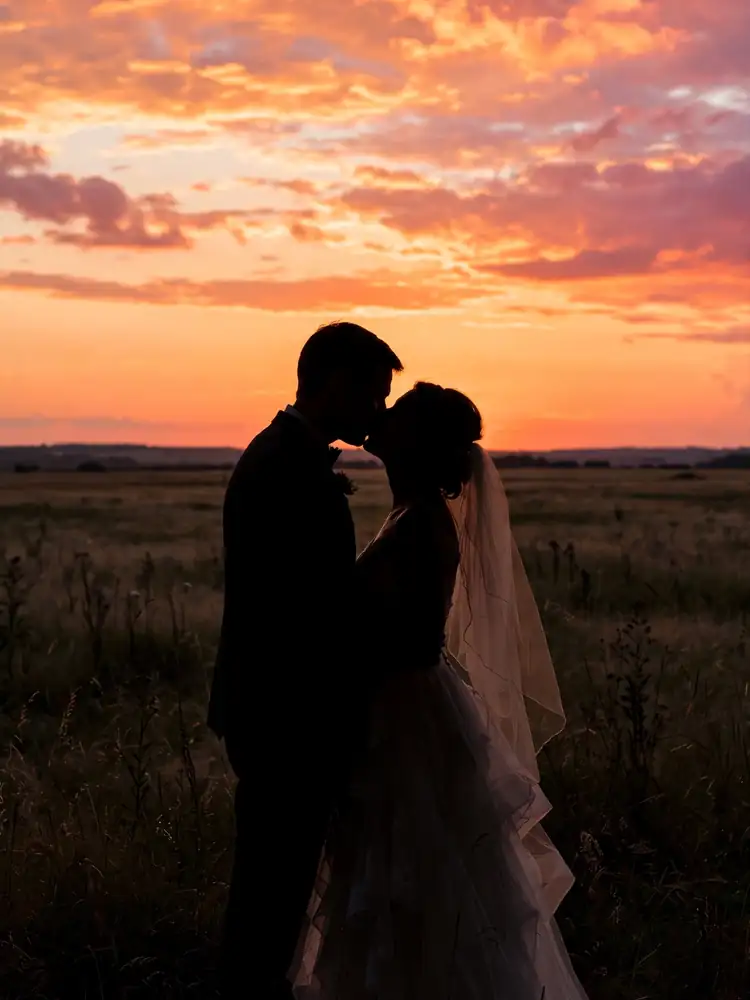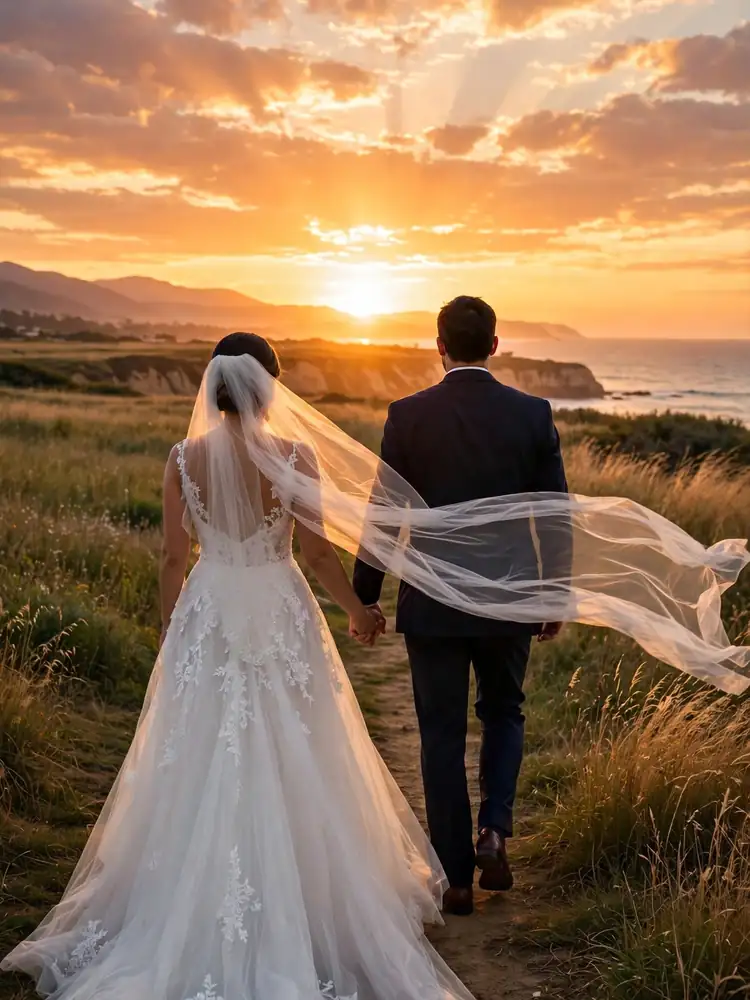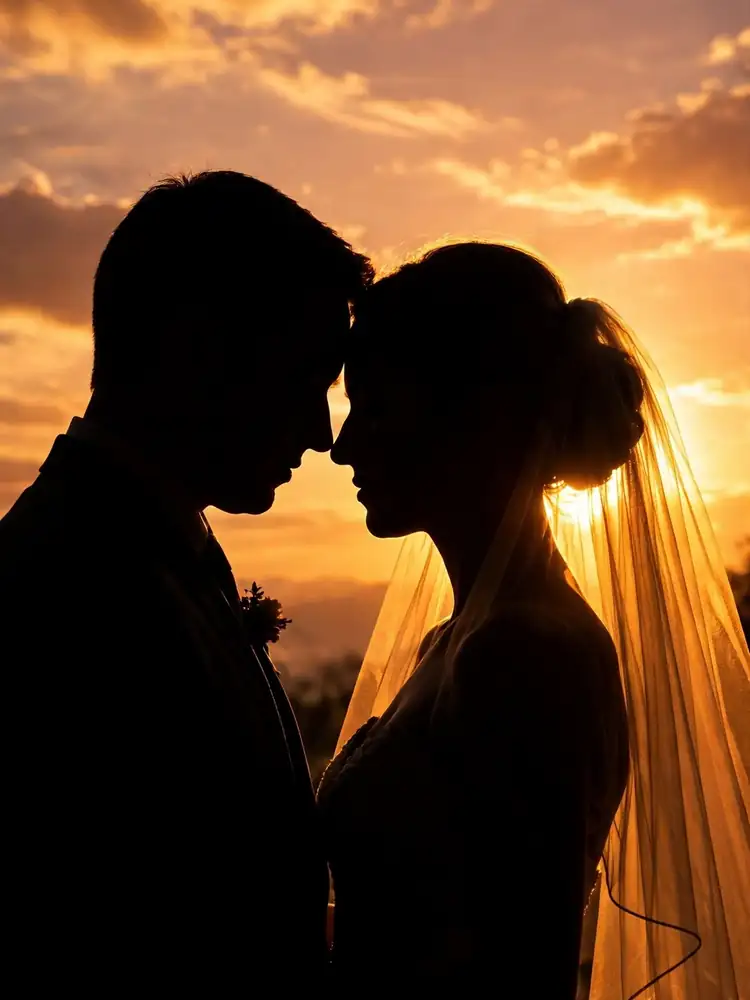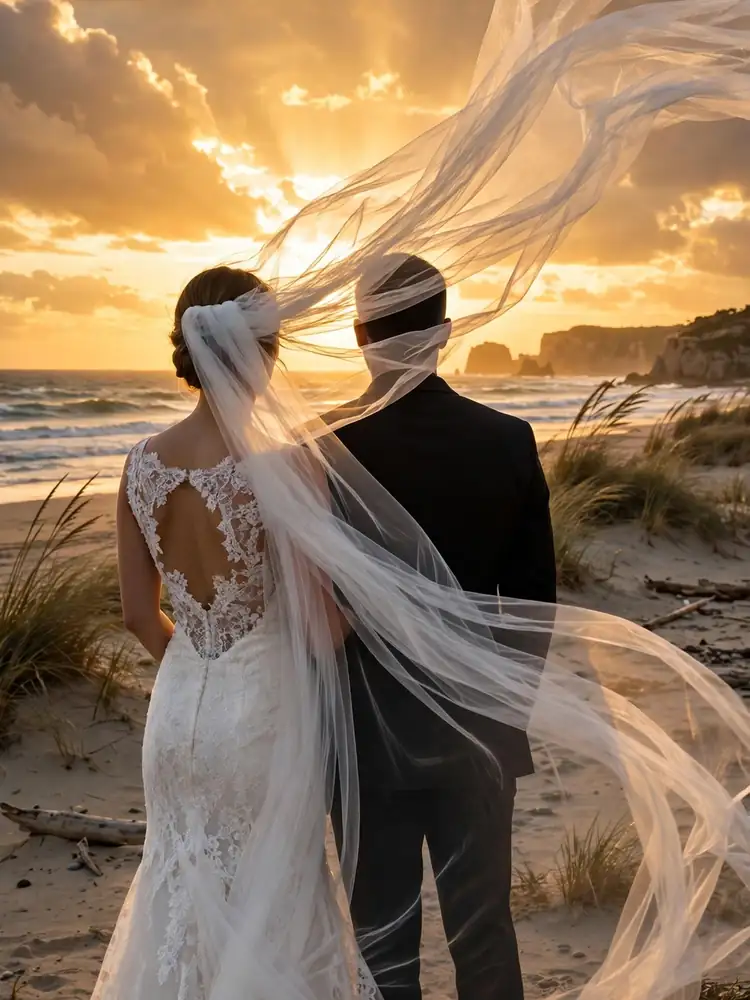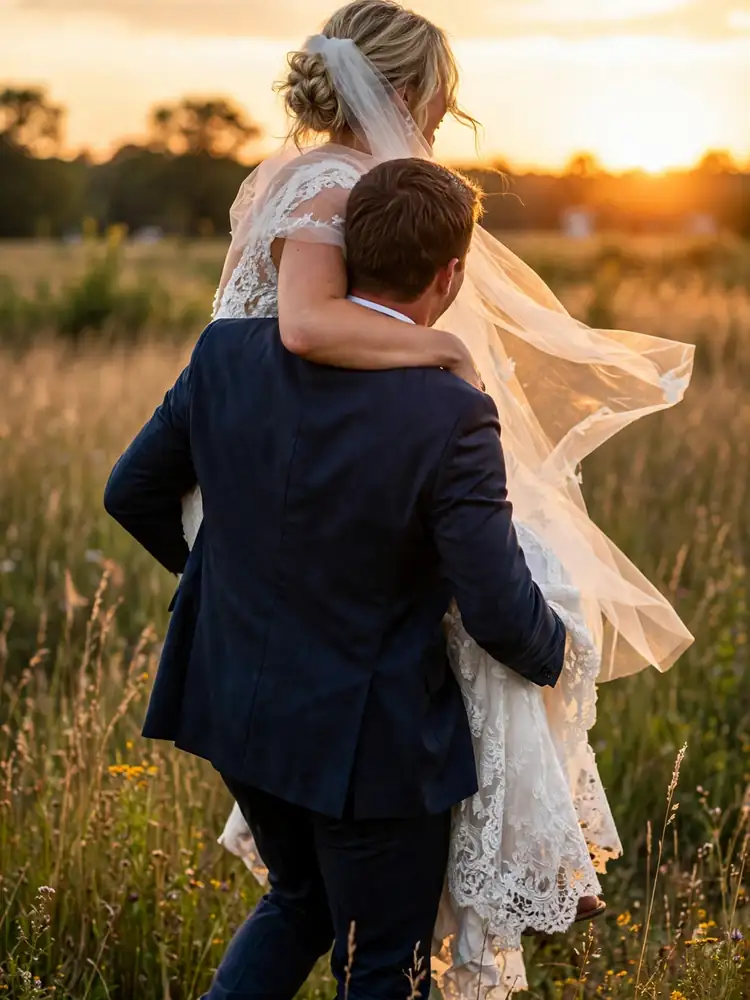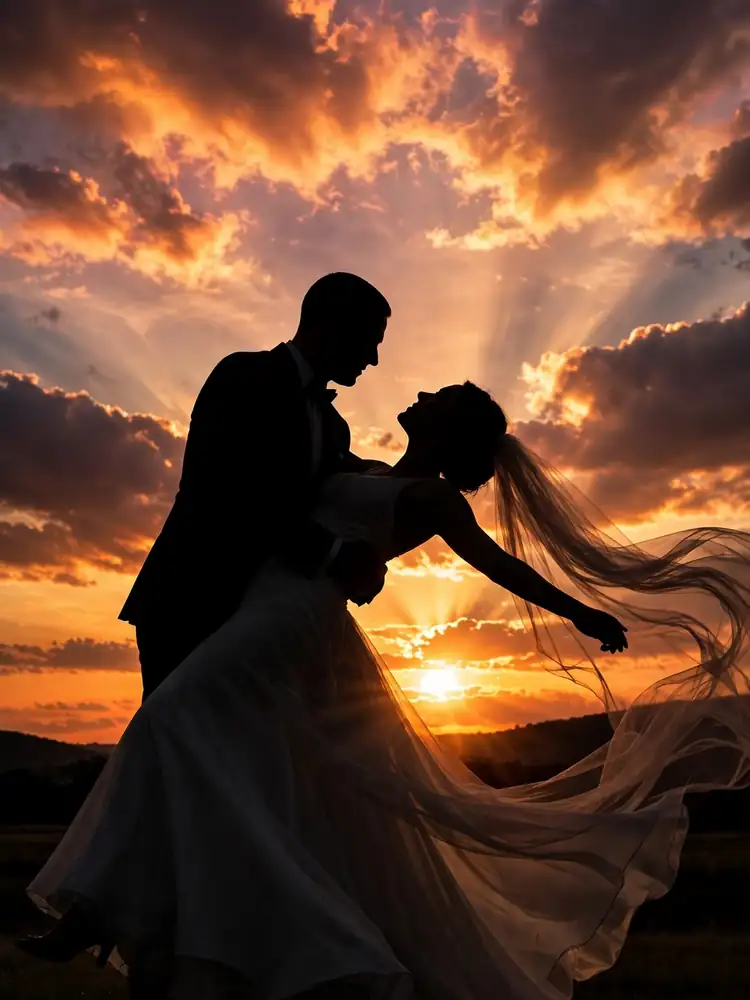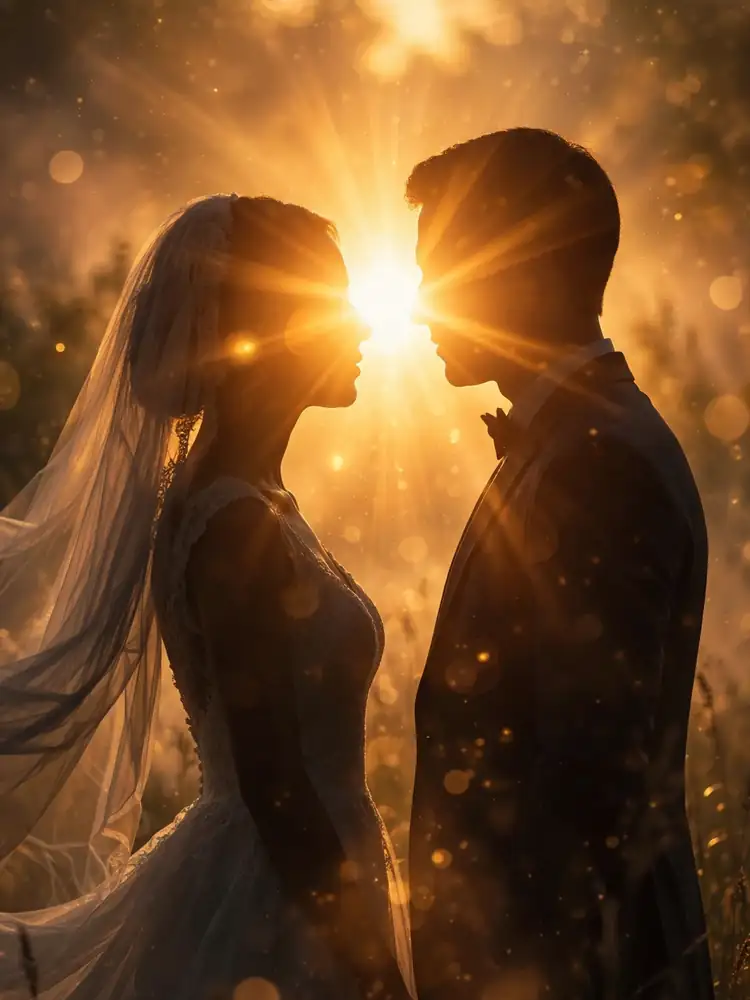
This category includes photo poses, shot planning, and video styles. It explains how visual coverage is organized for both indoor and outdoor wedding settings.
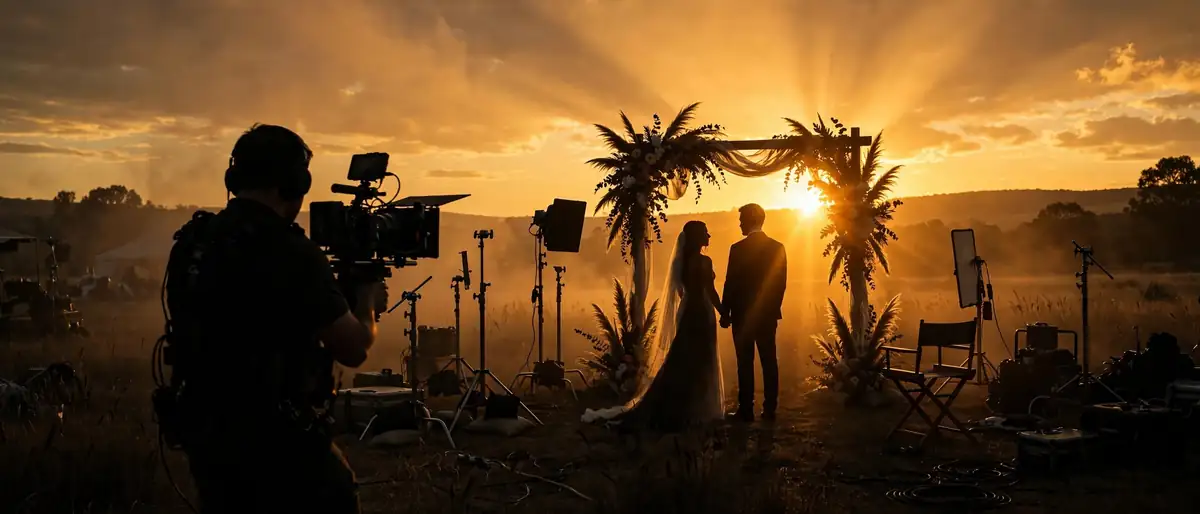
Your wedding video is the one thing that lets you relive the day exactly as it felt. Photos freeze moments, but film keeps the movement, the voices, and the laughter. Years from now, you will watch it and hear your vows in your own shaky voice.
The catch is that a videographer can only film what happens in front of the camera. A shot list makes sure the big moments are not left to chance. Here are the 11 must-have moments every wedding video needs, and why each one matters on film.
The Getting-Ready Detail Montage
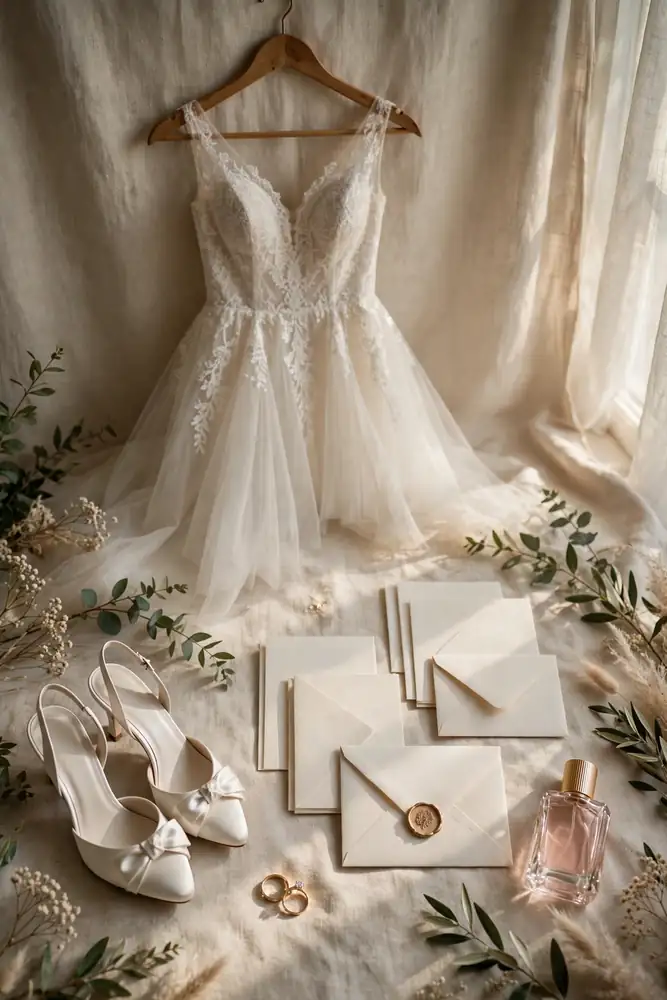
Before the people, film the things. Close-ups of the dress on its hanger, the shoes, the rings, the invitation suite, the perfume bottle, the cufflinks, the watch. Shot in soft morning light with gentle music underneath, this montage opens most wedding films and sets the tone for everything after. Ask your videographer to arrive 60 to 90 minutes before you get dressed. Lay the details on a clean surface near a window, and hand over the rings and the invitation early so nothing is rushed. Why it matters on film: these small objects carry the style of your whole day. Years from now, the shot of your grandmother's ring resting on the invitation will move you more than any wide shot of the room.
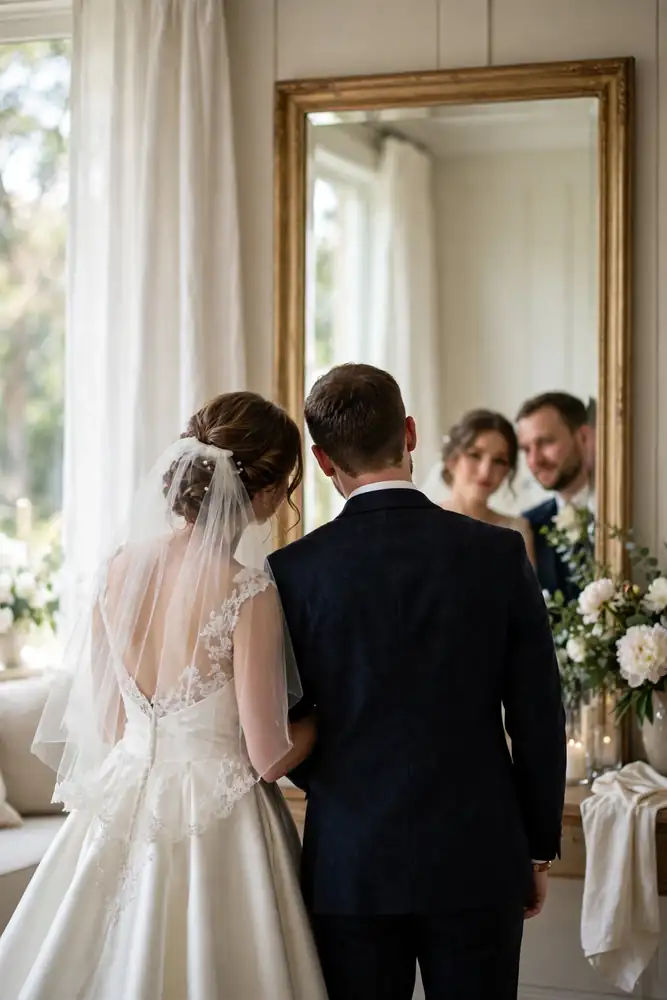
The Final Look in the Mirror
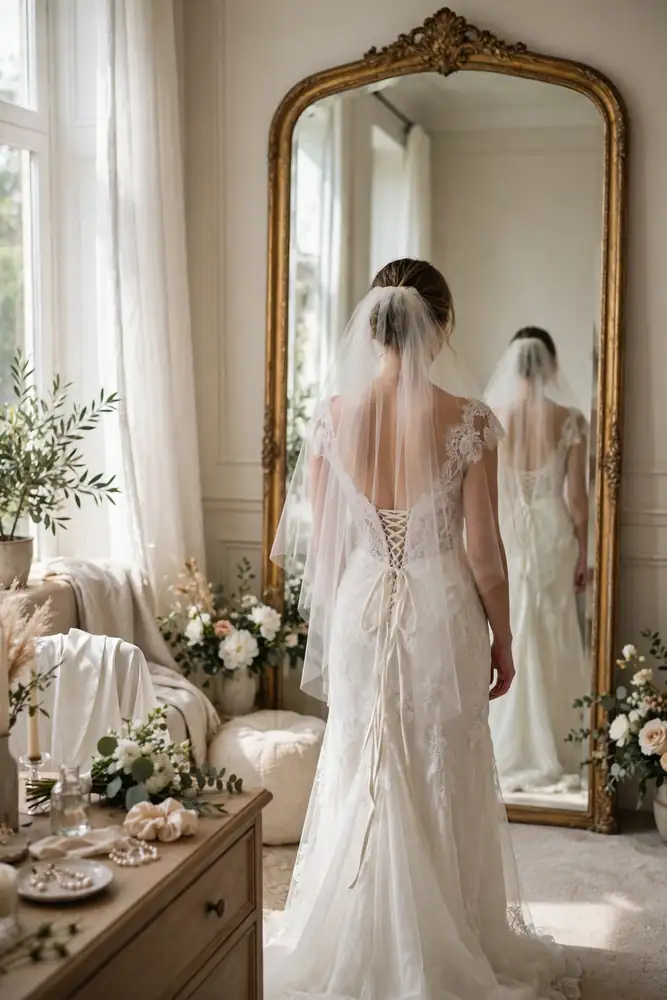
The second you see yourself fully dressed, hair and makeup finished. Videographers love this moment because the reaction is real and unposed: the deep breath, the slow smile, the tear you quickly wipe away. Film it in the bridal suite about 90 minutes before the ceremony, with only your mom or maid of honor in the room. Ask everyone else to step out so the space stays calm and quiet. Why it matters on film: still photos show how you looked, but only video captures the moment you realized how you looked. The little gasp is pure gold.
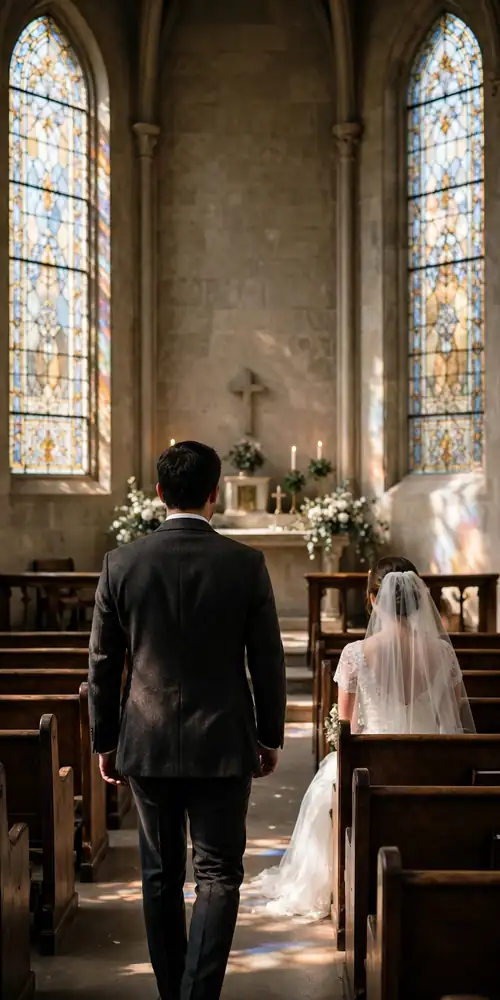
The Walk Down the Aisle
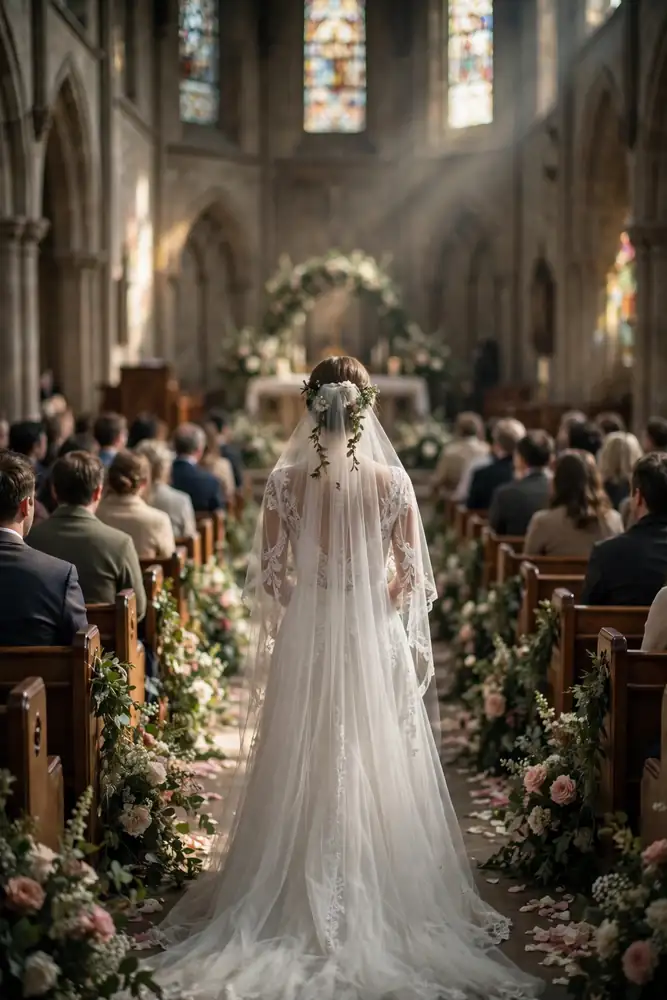
The longest 60 seconds of the day, and the heart of every wedding film. Your videographer should film it from two angles if possible: one camera gliding backward ahead of you, one fixed at the front catching your partner's face. Walk slowly. Everyone tells you this and everyone still rushes it. Tell your wedding party to leave a gap before you enter so the aisle is clear for the shot. Why it matters on film: this is the moment guests remember most, and it is the clip you will replay most. Two angles let the editor cut between your walk and the reaction waiting for you.
The Partner's First Reaction
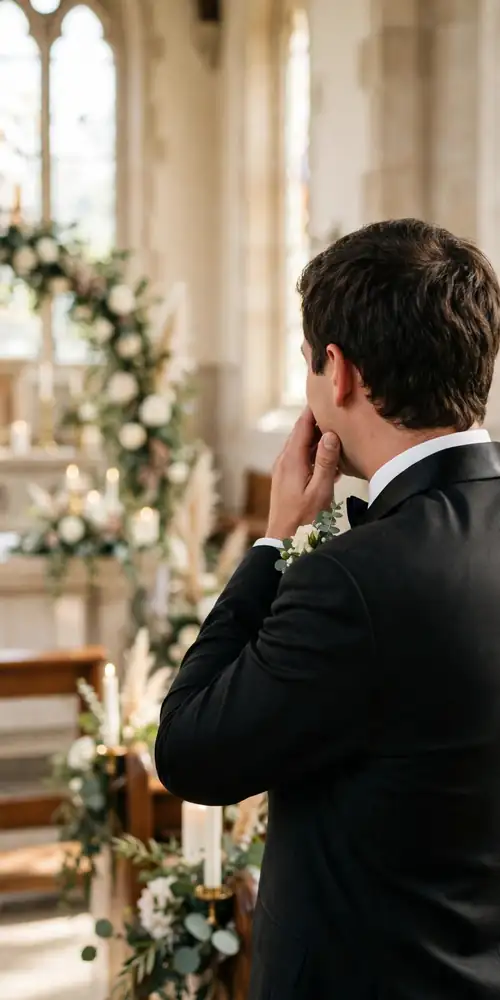
While you walk down the aisle, your partner is having their own moment at the other end. The wide eyes, the hand over the mouth, the tears: this reaction shot is often the most emotional 10 seconds in the entire film. Make sure your videographer keeps a dedicated camera on your partner during the processional, not just on you. It also covers the first look if you do one before the ceremony. Why it matters on film: your wedding video is a story with two main characters. Without the reaction shot, half the story is missing.
The Vows in Close-Up
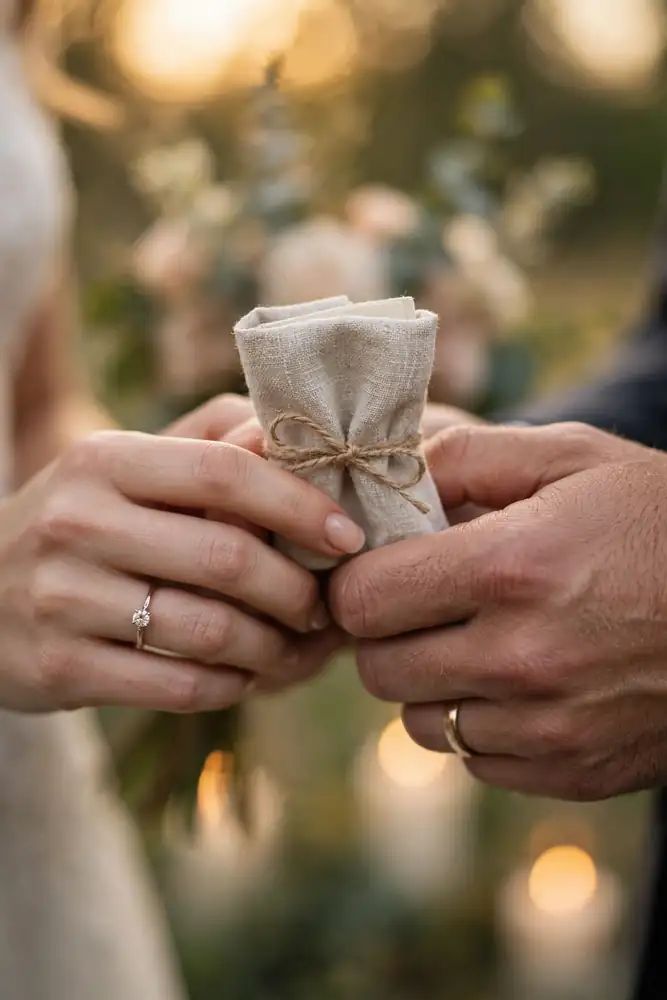
Wide shots show the ceremony. Close-ups show what the ceremony felt like. Ask your videographer to move in tight for the vows: hands shaking slightly, eyes filling up, the small smile mid-sentence. Good audio matters as much as the picture here, so confirm your videographer uses a lapel mic on the officiant or a recorder near you both. Wind and guests coughing ruin more vow audio than anything else. Why it matters on film: you will forget the exact words within a year. The close-up plus clean audio is the only way to keep them forever.
The First Kiss in Slow Motion
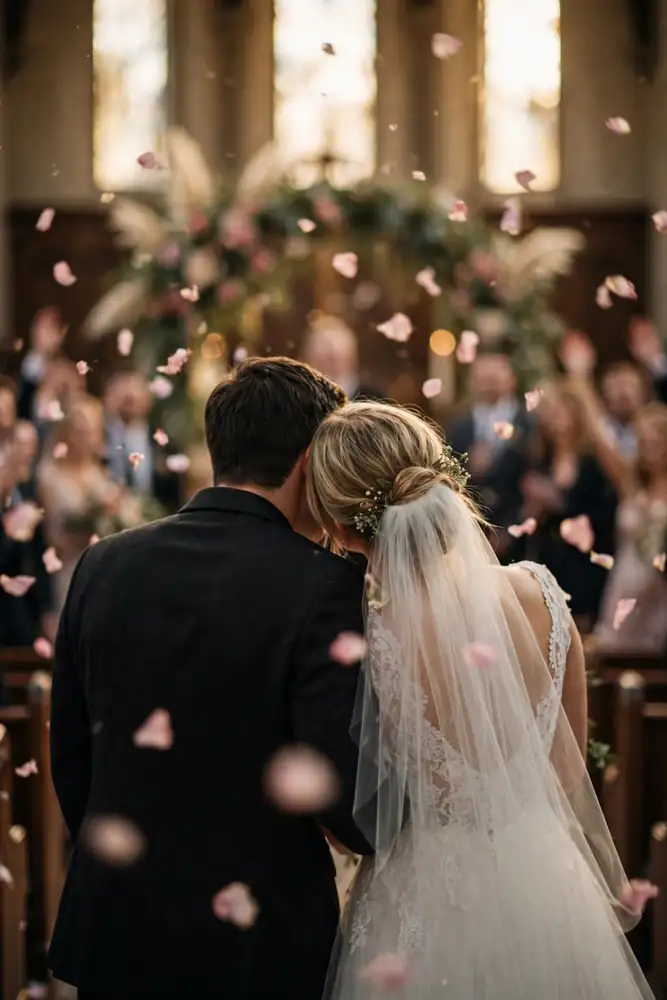
It lasts two seconds in real life and deserves ten in your film. Ask your videographer to shoot the kiss at a high frame rate so the editor can slow it down: the lean-in, the kiss, the cheers erupting behind you. Hold the kiss a beat longer than feels natural. Every couple says it felt like forever and watches the footage wishing it lasted longer. Why it matters on film: slow motion turns a blink-and-miss-it second into the emotional peak of the ceremony section. It is the shot that ends the ceremony chapter of every great wedding film.
The Recessional
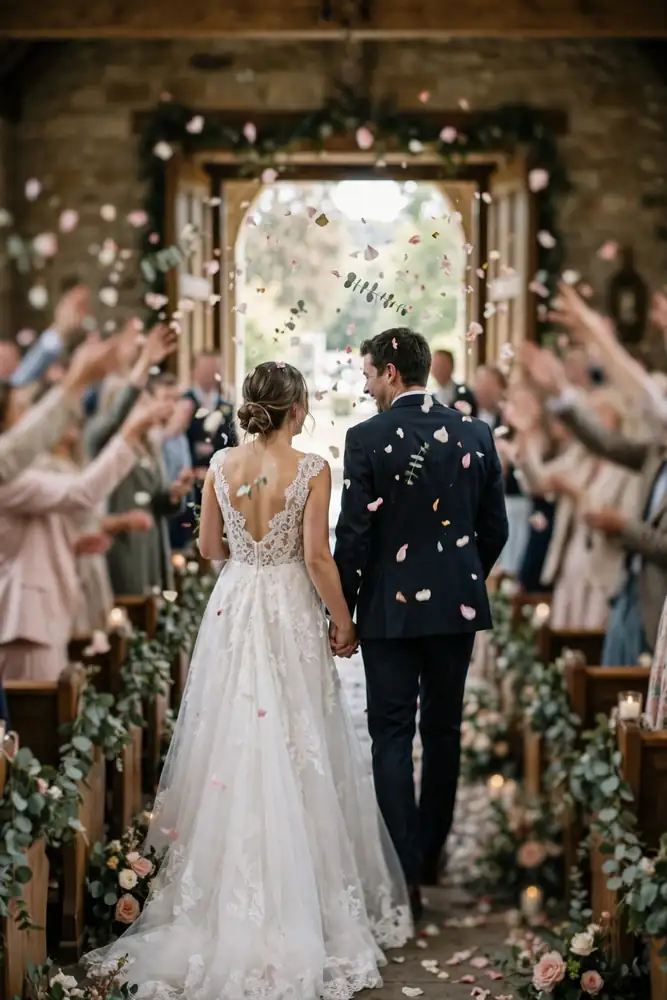
The walk back up the aisle as a married couple is pure joy on film: laughing, hand in hand, guests cheering and throwing petals. It has an energy the processional does not, because the nerves are gone. Ask your photographer and videographer to clear the aisle ahead so nothing blocks the shot, and walk slowly again even though you will want to run. Why it matters on film: editors use the recessional as the high-energy bridge between the ceremony and the party. It is the happiest 30 seconds of your film, so give it room to breathe.
The Grand Entrance
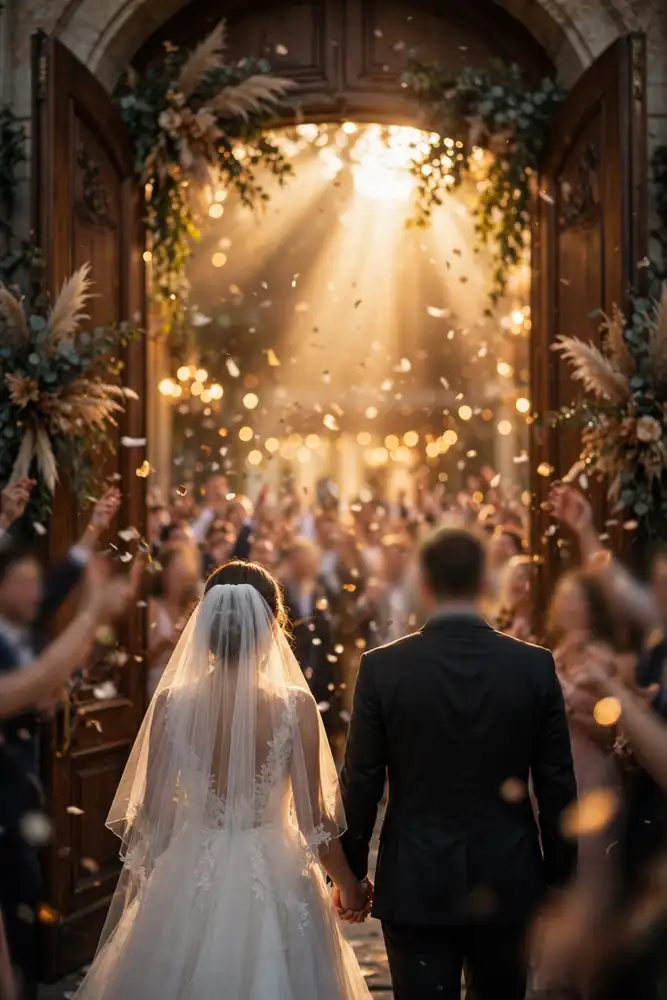
Your reception entrance sets the energy for the whole party, and on film it plays like the opening scene of act two. Whether you walk in to applause or dance in with your wedding party, make it intentional. Tell your DJ to announce you clearly and give the videographer a heads-up on the timing and the song. A second camera near the dance floor catches the crowd's reaction. Why it matters on film: the entrance is the first time the film shows you as a married couple celebrating. It deserves the same care as the aisle walk, not an afterthought.
The First Dance
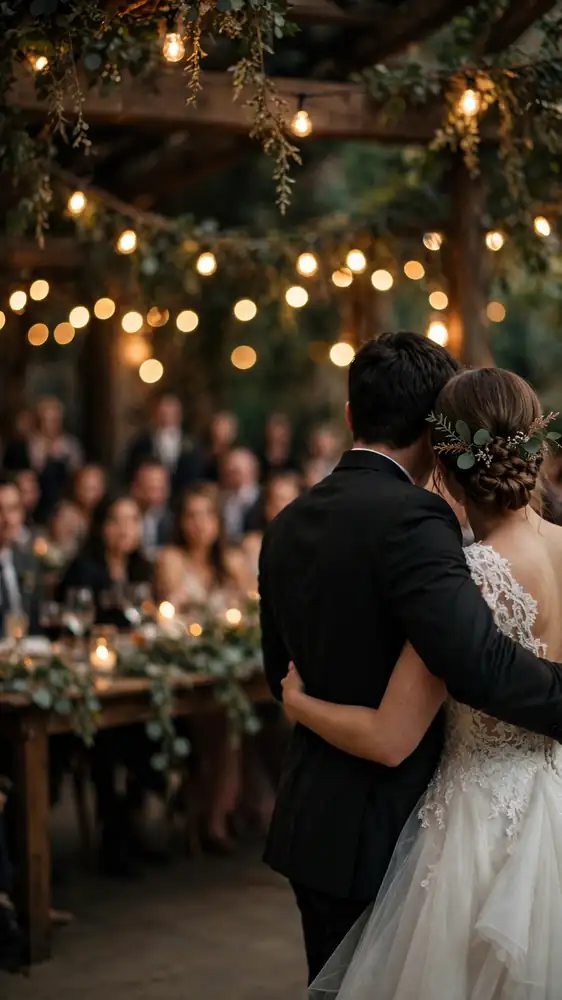
Three minutes that feel private even in a room full of people. Your videographer should film the first dance in full, from a respectful distance, with at least one slow push-in during the song. Practice enough that you are not staring at your feet. Dim the house lights and ask the DJ to keep the spotlight on you both. Why it matters on film: the first dance is the quietest moment of the reception, and quiet moments are what make a film feel intimate. The uncut three minutes will mean more with every anniversary.
The Parent Dances
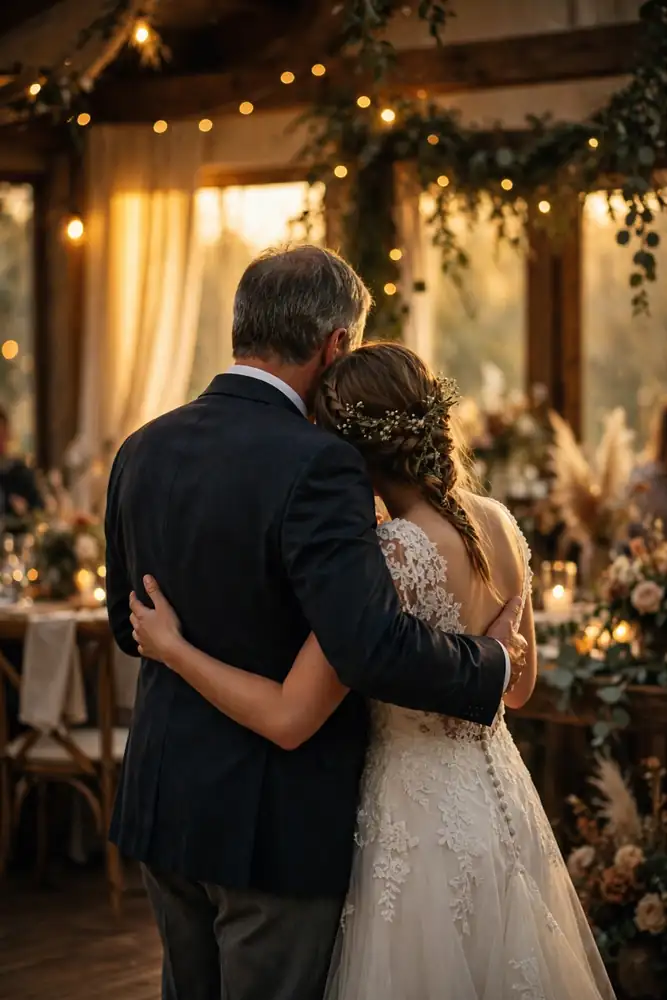
The father-daughter and mother-son dances make parents cry and videographers cheer, because the emotion is completely unscripted. Film both in full, and ask your videographer to catch the reactions of the parent watching from the side. Keep the songs under three minutes so the energy stays up. If a parent has passed away, a tribute moment with an empty chair or a framed photo also belongs on film. Why it matters on film: these dances are for your parents as much as for you. Years later, this footage becomes a family treasure.
Guest Messages and the Sparkler Exit
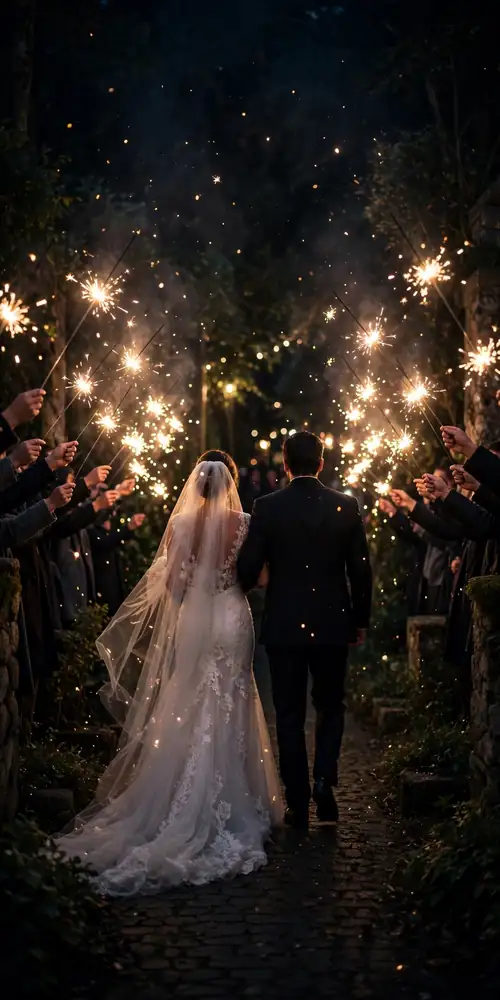
End the film with voices and light. Set up a small video guest book during cocktail hour: a quiet corner, a camera on a tripod, and a sign inviting guests to leave a message. Then close the night with a sparkler exit, filmed in slow motion as you walk through the tunnel of light. Coordinate with your planner so guests are in place and sparklers are lit on cue. Why it matters on film: guest messages capture the people you love at their happiest, and the sparkler exit gives your film a closing shot worthy of the credits.
Share this list with your videographer before the wedding day, not on it. A good videographer will already plan for most of these, but the list makes sure nothing slips when the timeline gets tight. Your wedding film should feel like the day felt: calm in the morning, emotional at the ceremony, and joyful at the party.